



-
 Local Knowledge
-
 0 Comments
Exploring Concord: History, Highlights, and Local Charm
Where heritage meets community pride
Discover What Makes Concord, NC a Community Worth Knowing
Experience Small-Town Character Built to Last
Concord’s Founding and Historical Foundation
Where did Concord begin, and why does it matter today?
Founded in 1796 as the seat of Cabarrus County, Concord emerged where major trading routes intersected the North Carolina Piedmont. The town’s name reflects the peaceful resolution of a dispute over the county seat location, and that spirit of pragmatic cooperation shaped its early identity. Settlers chose this spot for its position along the old stage road connecting Charlotte to Salisbury, ensuring the young community would serve as a crossroads for commerce and communication.
The surrounding landscape offered fertile farmland and access to water resources, supporting agriculture and early textile mills that powered the regional economy. By the mid-1800s, Concord had grown into a thriving market town where farmers brought cotton and grain, merchants established storefronts, and skilled craftspeople set up workshops. The arrival of the railroad in the 1850s accelerated development, linking Concord to broader markets and transforming it from a rural crossroads into a hub of regional trade.
This foundation in agriculture, commerce, and transportation left a lasting imprint. The town’s grid layout and central courthouse square, typical of county seats from that era, remain visible today. Many of the brick buildings lining downtown streets date to the late 19th century, physical reminders of an economy built on cotton, textiles, and local enterprise. Understanding this historical framework helps explain why Concord values practical solutions, community stability, and infrastructure that supports long-term growth.
Key Historical Landmarks and Defining Moments
What landmarks define this town’s identity?
Concord’s built environment tells the story of a community that weathered change while holding onto its identity. The Cabarrus County Courthouse, a centerpiece of downtown since the 19th century, anchors the town’s historic core. Its presence reminds visitors and residents alike that Concord has served as a center of civic life and governance for more than two centuries. Walking the blocks surrounding the courthouse, you’ll find storefronts and office buildings that reflect architectural styles from multiple eras, each layer adding texture to the town’s visual narrative.
The Civil War and Reconstruction tested Concord, as they did most Southern communities, but the town rebounded by investing in manufacturing. By the early 20th century, textile mills employed hundreds of local workers, and mill villages grew up around factory sites. These neighborhoods, with their rows of modest frame houses, became tight-knit communities where families lived for generations. Though the textile industry has largely moved on, the mill villages and their history remain integral to how longtime residents understand their town.
Another defining chapter came with the rise of motorsports. Concord’s proximity to Charlotte Motor Speedway and the development of a motorsports economy brought new energy and national attention. This shift from textiles to high-speed entertainment diversified the local economy and introduced new residents drawn by jobs in racing, hospitality, and related industries. The juxtaposition of quiet historic neighborhoods and the roar of race weekends captures the dual character of modern Concord.
Modern Evolution and Community Life
How has the town adapted to modern growth?
Today, Concord balances its heritage with the practical demands of a growing population. The town sits within the Charlotte metropolitan area, attracting families and workers seeking more space and a slower pace than the city offers while staying close to urban amenities. New residential developments have expanded the town’s footprint, and with that growth comes the need for updated infrastructure, schools, and services that support modern life.
The local economy reflects this transition. While manufacturing remains part of the mix, retail, healthcare, education, and service industries now employ the majority of residents. Concord Mills, one of the region’s largest shopping destinations, draws visitors from across the Carolinas and injects tourism dollars into the local economy. Meanwhile, downtown revitalization efforts have brought new restaurants, breweries, and specialty shops to the historic core, creating a gathering place that bridges old and new.
For residents, daily life in Concord means access to suburban conveniences without sacrificing a sense of community. Neighborhoods range from established subdivisions with mature trees to newer developments on the town’s edges. Many homes rely on septic systems rather than municipal sewer, particularly in areas that developed before large-scale infrastructure expansion. This reality shapes how homeowners approach property maintenance and long-term planning. The town’s continued growth requires careful management of water resources, stormwater, and wastewater systems to protect both public health and the natural environment that attracted people here in the first place.
What Draws People to Explore and Settle Here
Why do people choose to visit and stay?
Visitors and new residents find a town that offers variety without overwhelming choices. Concord’s parks and greenways provide space for walking, cycling, and connecting with nature. Frank Liske Park, with its fishing lake, picnic shelters, and open fields, serves as a community gathering spot for family outings and seasonal events. During spring and fall, the mild Piedmont climate makes outdoor activities especially appealing, and you’ll see joggers on the trails and children on playgrounds most weekends.
The town’s cultural calendar includes festivals, farmers markets, and concerts that bring neighbors together and give visitors a taste of local flavor. These events often center on downtown, where historic buildings create an intimate backdrop for live music and craft vendors. For those interested in history, walking tours and heritage sites offer a closer look at the town’s evolution from frontier crossroads to modern suburb.
What stands out about Concord is its accessibility. You can drive to Charlotte in under 30 minutes for professional sports, major concerts, and big-city dining, then return to a quieter setting where traffic thins and the pace slows. This proximity to urban resources while maintaining distinct small-town character appeals to young families, retirees, and professionals looking for balance. The town’s affordability relative to Charlotte also attracts first-time homebuyers and those seeking more square footage and yard space for their investment.
Supporting Community Growth Through Infrastructure
How does infrastructure support Concord’s future?
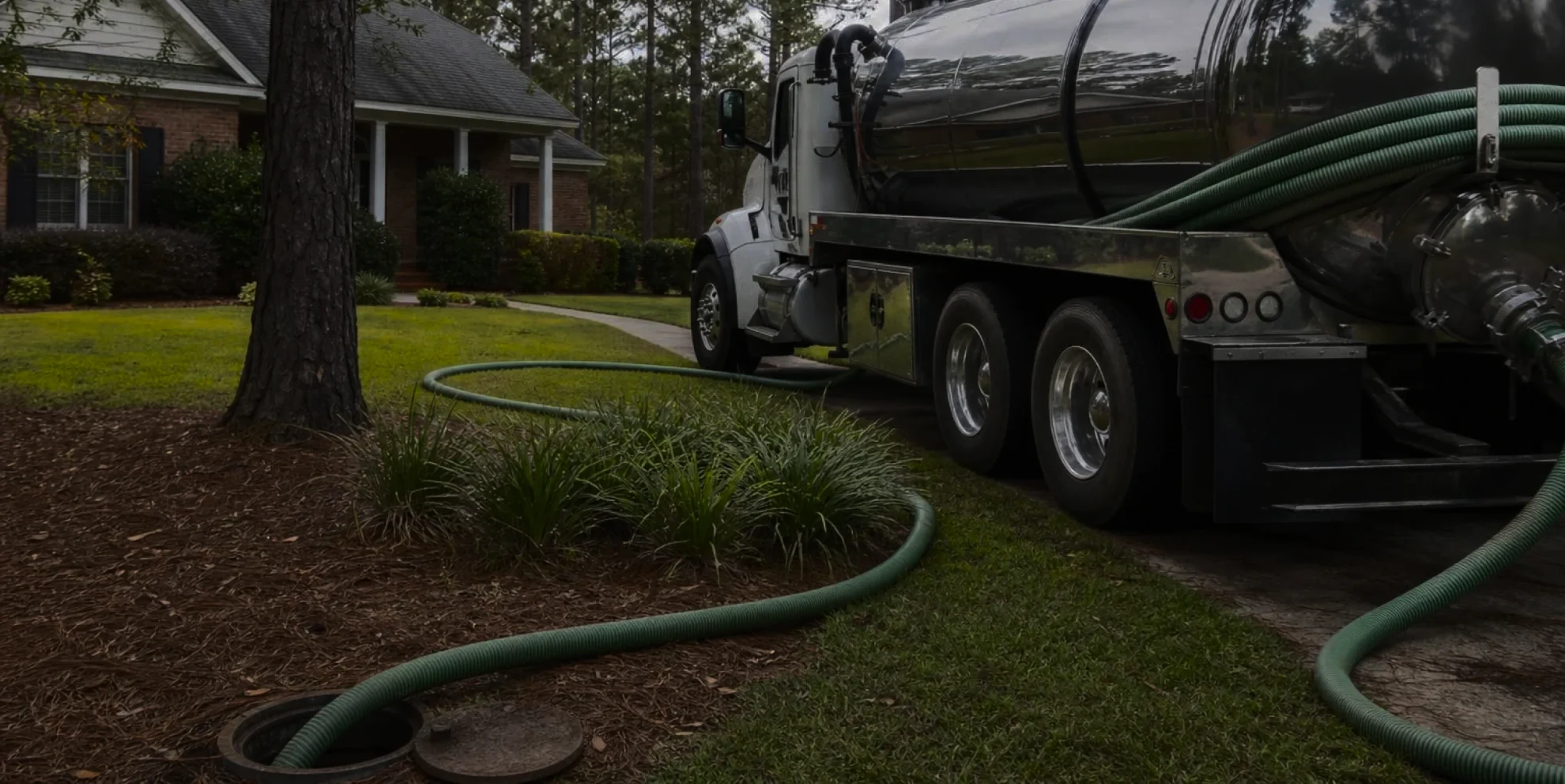
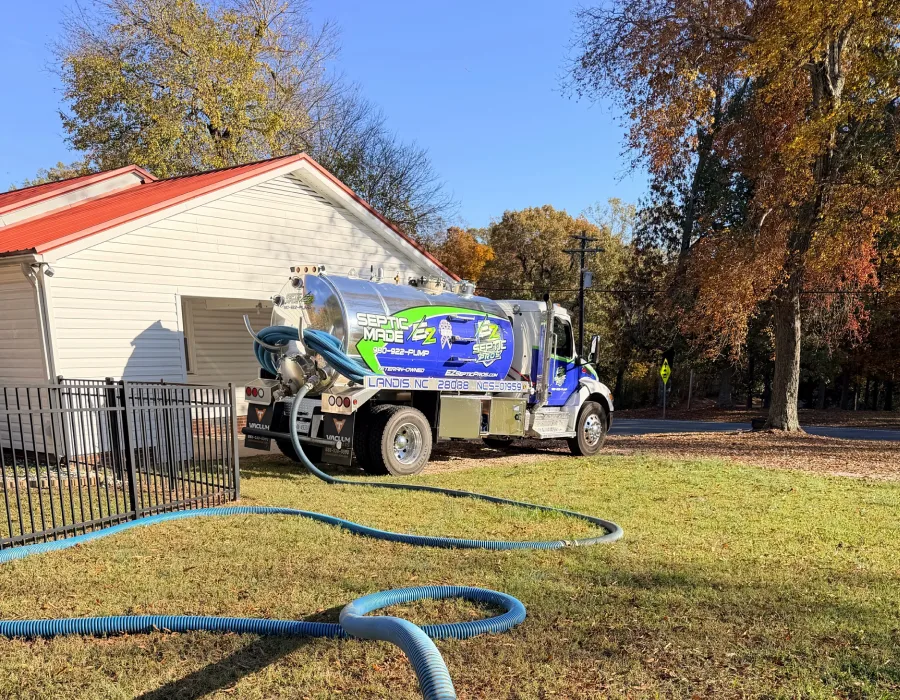
As Concord continues to grow, the systems that support daily life become increasingly important. Many homes, especially those outside the most densely developed areas, depend on septic systems to manage household wastewater. Unlike municipal sewer, which operates out of sight and mind for most homeowners, septic systems require active maintenance and periodic attention to function correctly. Neglecting this responsibility can lead to backups, drain field failures, and costly emergency repairs that disrupt family routines and damage property.
For homeowners in Concord, understanding how your septic system works and scheduling regular inspections and pumping protects your investment and keeps your household running smoothly. North Carolina’s clay-heavy soils and seasonal rainfall patterns place specific demands on drain fields, which must absorb and filter wastewater year-round. Wet winters can saturate the ground, reducing a drain field’s capacity, while dry summers can cause settling and shifting that stresses system components. These local environmental factors make routine maintenance more than a recommendation; it becomes a practical necessity.
New homeowners often overlook septic care until a problem arises, but taking a proactive approach prevents larger headaches down the road. Knowing when your tank was last pumped, where your system components are located, and what signs indicate potential trouble gives you control over one of your home’s most critical systems. Whether you’re settling into an established neighborhood or building in a developing area, a well-maintained septic system supports your family’s comfort and contributes to the broader community’s environmental health.
If you’re a Concord homeowner managing a septic system or considering a property that relies on one, getting guidance from knowledgeable service providers helps you make informed decisions. Regular inspections, timely pumping, and understanding your system’s design ensure that your home’s wastewater infrastructure performs reliably for years to come. Contact us to learn how routine septic maintenance fits into your property care plan and protects your household’s daily operations.
